

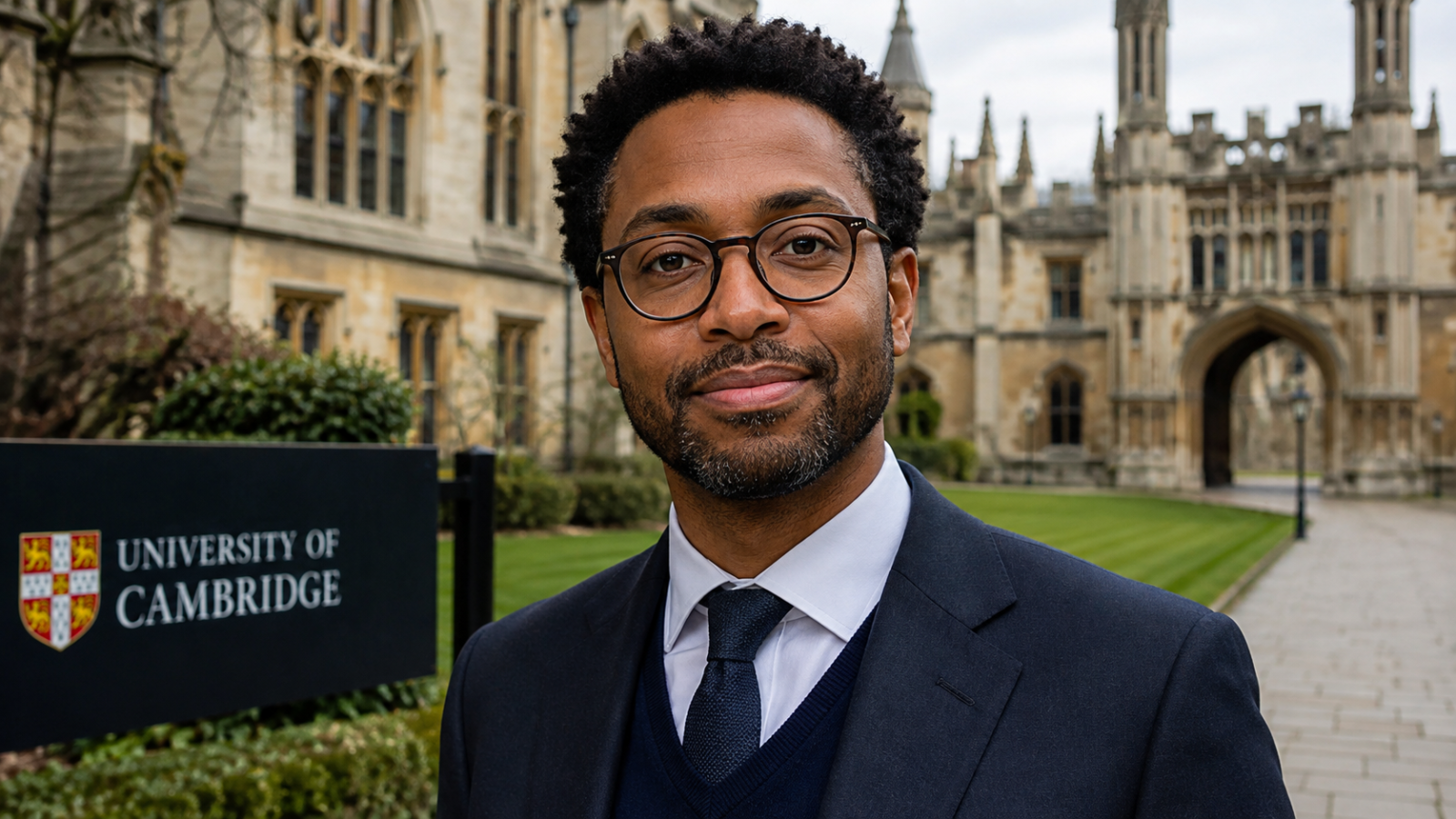
Jason Arday became widely known after joining the University of Cambridge as Professor of Sociology of Education in March 2023. At 37, his appointment was described by Cambridge as making him the youngest Black person ever appointed to a professorship at the university. His career had attracted considerable attention because of his academic work on race, inequality, education, and representation in higher education.
His story has since entered a much more complicated chapter. In 2026, allegations concerning plagiarism, academic qualifications, professional claims, and aspects of his public biography generated renewed scrutiny. Cambridge launched a review, and Arday resigned from his Cambridge position in August 2026. Because some claims remain disputed or subject to investigation, it is important to distinguish established facts from allegations and reporting.
Who Is Jason Arday?
Jason Arday is a British sociologist whose academic work has focused heavily on race, education, inequality, mental health, and the experiences of under-represented groups in higher education.
Before Cambridge, he held academic positions at institutions including the University of Glasgow and Durham University. His research and public work frequently examined barriers faced by Black students and academics, racial inequality, inclusion, and education policy.
His educational qualifications listed by Cambridge included a BA in Education Studies and Physical Education from the University of Surrey, master’s degrees from St Mary’s University London and Liverpool John Moores University, and a PhD in Education from Liverpool John Moores University
Jason Arday and Cambridge
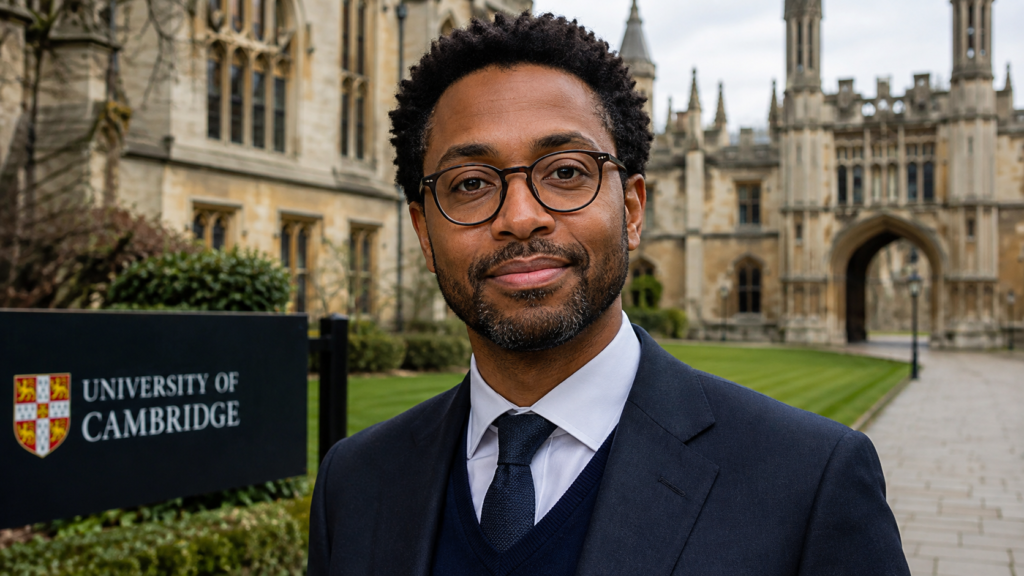
Arday joined the Faculty of Education at the University of Cambridge in March 2023 as Professor of Sociology of Education.
Cambridge’s announcement highlighted both his academic expertise and his personal journey. The university said he had experienced significant difficulties during childhood and had learned to read and write later than most people. His appointment was presented as an important moment for representation within British higher education.
His research interests at Cambridge included:
- Race and higher education
- Education policy
- Mental health and education
- Race and neurodiversity
- Cultural studies and music
- Autoethnography
- Education and social justice
Cambridge also listed his involvement in research projects connected with diversity, inclusion, mental health, and services for ethnically diverse communities.
Why Was Jason Arday’s Appointment Significant?
Arday’s appointment attracted attention beyond Cambridge because of what it represented for diversity in British academia.
At the time of his appointment, Cambridge described him as the youngest Black person ever appointed to a professorship at the university. His research also addressed questions that remain significant across higher education, including unequal representation, racial discrimination, and the experiences of minority students and staff.
His career was particularly notable because he became a professor after progressing through an unconventional educational journey. His story was widely reported as an example of how educational opportunities and persistent support can change a person’s trajectory.
His Academic Research
Much of Arday’s academic work examined how race and inequality influence people’s experiences within educational institutions.
His publications have addressed topics such as Black student wellbeing, racial inequality among academic staff, precarious employment, inclusive teaching, and the relationship between race and higher education.
Cambridge’s staff profile lists research and publications covering race, racism, neurodiversity, mental health, education policy, and the experiences of Black and minority ethnic communities.
This area of research matters because universities are not only places where students study. They are also workplaces, research environments, and institutions that influence wider public policy. Research into representation and inequality can therefore affect recruitment, curriculum design, student support, and institutional decision-making.
Jason Arday’s Career Before Cambridge
Cambridge was not the beginning of Arday’s academic career.
In 2021, he became Professor of Sociology of Education at the University of Glasgow. Before that, he worked in academic and research roles, including at Durham University. His professional activities also included work connected with race equality and higher education policy.
His public profile grew partly because his academic interests were closely connected to wider debates about racial inequality and representation.
He also served in professional and advisory roles. Cambridge’s profile listed positions involving organisations such as the Runnymede Trust and the British Sociological Association, along with other advisory and professional bodies.
What Happened to Jason Arday at Cambridge?
The most significant change came in 2026.
Questions were raised publicly about parts of Arday’s academic work, including allegations concerning plagiarism in his doctoral thesis and published research. Retraction Watch reported that comparisons had been made between sections of his 2015 doctoral dissertation and earlier academic work. It also reported concerns involving passages in journal publications.
Earlier in the controversy, Cambridge said Arday had been cleared of allegations concerning plagiarism in his thesis and journal publications. However, further allegations and evidence later led to renewed scrutiny and a university investigation.
On August 5, 2026, reports said Arday resigned from his Cambridge position amid the continuing controversy. The development represented a major reversal from the highly publicised appointment that had taken place only a few years earlier.
What Are the Allegations About?
The controversy is broader than one allegation.
Reports have raised questions about:
- Similarities between parts of Arday’s doctoral thesis and earlier academic work
- Similarities identified in some published research
- The sourcing and presentation of material attributed to research participants
- Claims concerning certain professional affiliations
- Some statements about achievements included in his public biography
- Other personal and professional claims reported by the media
These matters should not automatically be treated as established wrongdoing. Some are allegations, some have been disputed, and investigations or reviews may produce further findings.
That distinction is particularly important when discussing academic misconduct. A credible assessment requires examination of original documents, institutional findings, journal decisions, and responses from the person concerned.
Why the Controversy Matters
The Jason Arday Cambridge controversy has attracted attention because academic integrity is central to the credibility of universities.
Universities depend on researchers accurately representing sources, methods, qualifications, data, and findings. If serious questions arise about scholarly work, institutions have to investigate them carefully rather than relying solely on public opinion.
The case has also generated a wider discussion about representation in academia. Arday’s original appointment was celebrated as an important milestone for Black representation at Cambridge. The later controversy has therefore created difficult questions about how universities can pursue greater diversity while maintaining rigorous standards for academic recruitment and research integrity.
These principles do not have to conflict. Strong institutions should be able to value diversity and representation while applying the same standards of evidence and accountability to everyone.
A Complicated Legacy
Jason Arday’s public legacy is now difficult to describe in simple terms.
Before the 2026 controversy, his career was widely presented as an extraordinary academic journey. His work on race, education and inequality received significant attention, and his Cambridge appointment became a prominent example of increased representation in elite British academia.
The allegations that emerged later changed how that story is being viewed.
It is possible to recognise the importance of the issues Arday studied while still insisting that academic claims must be supported by reliable evidence. Likewise, criticism of an individual academic should not be used to dismiss legitimate research into racism, inequality, or representation.
The lasting assessment of Arday’s career will depend in part on the outcome of investigations, the handling of disputed publications, and the evidence that emerges.
What Can We Learn From the Jason Arday Cambridge Story?
There are several broader lessons.
Academic credentials require verification
Prestigious titles and institutions can create an impression of authority, but qualifications and professional claims should still be independently verifiable.
Research integrity matters
Academic research depends on accurate attribution, transparent methods, and honest presentation of evidence. These standards protect researchers as well as the public.
Representation and standards can coexist
Improving diversity in universities is important, but representation should not replace rigorous recruitment or research standards.
Public biographies deserve scrutiny
Biographical claims can spread quickly through university pages, event programmes, interviews, and media reports. Once repeated, an inaccurate claim can become difficult to distinguish from a verified fact.
Investigations need evidence
Controversial cases should be judged through documented evidence and appropriate institutional processes rather than social-media reactions alone.
Frequently Asked Questions
Who is Jason Arday?
Jason Arday is a British sociologist who built his academic career around research into race, education, inequality, mental health, and higher education.
What was Jason Arday’s role at Cambridge?
He joined the University of Cambridge Faculty of Education in March 2023 as Professor of Sociology of Education.
Why was Jason Arday’s Cambridge appointment notable?
Cambridge described Arday, who was 37 at the time, as the youngest Black person ever appointed to a professorship at the university.
What happened to Jason Arday at Cambridge?
In 2026, his academic work and professional background came under renewed scrutiny following allegations concerning plagiarism and other claims. Reports in August 2026 said he resigned from his Cambridge position.
Was Jason Arday found guilty of plagiarism?
It is more accurate to say that plagiarism allegations were made and investigated. Cambridge had previously said he had been cleared of allegations involving his thesis and journal publications, while later reporting described renewed scrutiny and further evidence.
What did Jason Arday research?
His listed research areas include race and higher education, education policy, mental health and education, race and neurodiversity, cultural studies, and autoethnography.
Why is Jason Arday’s story still being discussed?
His story combines questions about academic achievement, representation, research integrity, institutional accountability, and how universities respond when serious allegations arise.
Final Thoughts
Jason Arday’s connection with Cambridge began as a story about academic achievement and representation. His appointment in 2023 attracted international attention, particularly because Cambridge described him as its youngest Black professor.
By August 2026, however, that narrative had changed dramatically. Allegations concerning his academic work and professional history led to renewed scrutiny, a Cambridge investigation, and his reported resignation.
For readers researching Jason Arday Cambridge, the most responsible approach is to separate verified biographical information from disputed claims and ongoing investigations. The full historical assessment of his academic career will depend on evidence and the conclusions reached by relevant institutions and publications.