
The phrase “Pirro special grand jury” has attracted attention because it connects a well-known political media personality with an important part of the American legal system. For many readers, the term can be confusing because a special grand jury does not work in the same way as a regular trial jury. Understanding the difference is important before drawing conclusions from headlines or social media posts.
Jeanine Pirro is a former prosecutor, judge, and television personality who has remained a prominent voice in American political and legal discussions. Because of her legal background, her name often appears in conversations involving investigations, prosecutors, court proceedings, and public policy. However, readers should always separate verified facts from speculation when following a developing legal story.
What Is a Special Grand Jury?
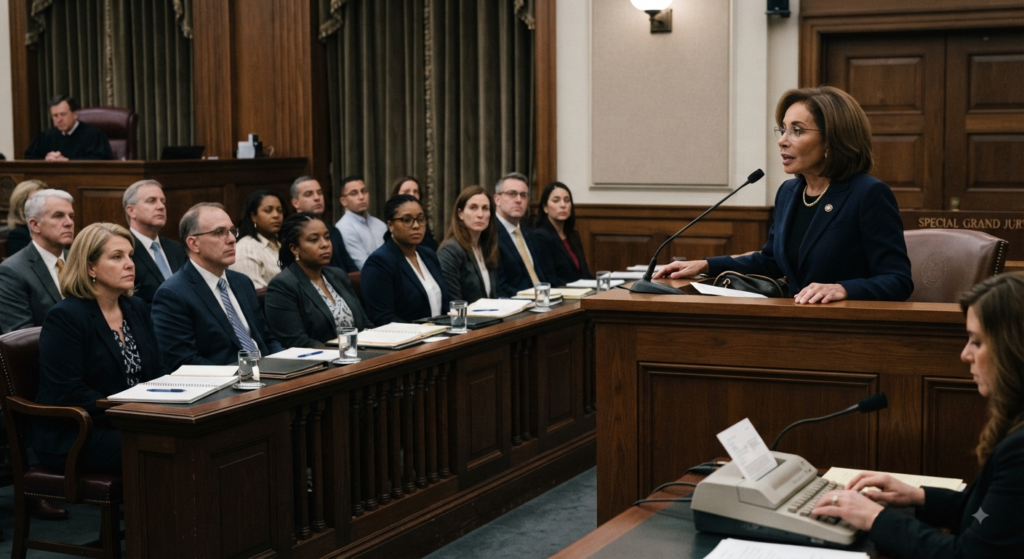
A special grand jury is a legal body that can be used to investigate a particular matter. Unlike a trial jury, its primary purpose is not to decide whether someone is guilty or innocent.
Grand jurors may hear testimony, review evidence, and consider information presented by prosecutors. Depending on the circumstances and applicable law, the process can help determine whether criminal charges should be pursued.
This distinction is important. Being connected to a grand jury investigation does not automatically mean that someone has been accused of a crime or will eventually face charges. Investigations can involve many individuals, organizations, and issues while authorities work to establish the facts.
Why Does the Pirro Name Attract Attention?
Jeanine Pirro has a unique background that combines law, television, and politics. She previously served as a prosecutor and judge in New York before becoming a nationally recognized television commentator.
Her legal experience makes her particularly relevant to audiences interested in court cases and investigations. At the same time, her political commentary means that legal topics involving her name can quickly become part of wider political conversations.
That combination can create confusion online. A headline may mention Pirro alongside an investigation or grand jury without explaining exactly what her role is. Readers should therefore look for the original source behind a claim before accepting a headline as established fact.
How Does a Grand Jury Work?
The grand jury process is different from a criminal trial. A trial jury typically listens to evidence from both sides and determines whether the prosecution has proved its case beyond a reasonable doubt.
A grand jury operates earlier in the legal process. Prosecutors generally present evidence and testimony to grand jurors, who then consider whether there is sufficient basis for an indictment under the applicable legal standard.
Grand jury proceedings are also generally conducted with a significant degree of confidentiality. This protects witnesses, preserves the integrity of investigations, and prevents people from being unfairly identified before prosecutors have made decisions about possible charges.
Because much of the process is not public, outside observers may have incomplete information while an investigation is underway.
What Makes a Special Grand Jury Different?
The exact rules vary by jurisdiction, but a special grand jury is generally created for a particular investigative purpose rather than serving as part of the ordinary grand jury cycle.
This can allow prosecutors to devote attention to a specific investigation that may require more time or specialized consideration. The jury can potentially hear evidence over an extended period, depending on local law and the circumstances of the case.
It is important not to assume that the creation of a special grand jury proves wrongdoing. The existence of an investigation only indicates that authorities are examining a matter. The eventual outcome could be an indictment, no charges, further investigation, or another legal development.
Why Legal Headlines Can Be Misleading
Legal stories often develop over weeks or months. During that time, information can appear through court documents, statements from attorneys, government announcements, media reports, and social media.
These sources do not always provide the same level of reliability.
An official court document is generally more useful for understanding a court proceeding than an unsourced social media post. Likewise, a direct statement from a prosecutor or attorney can provide more context than a short headline.
Readers researching the Pirro special grand jury topic should therefore pay attention to dates and sources. A report that was accurate several weeks ago may no longer represent the latest stage of an investigation.
The Importance of Verified Information
When politics and legal issues overlap, stories can become highly emotional. Supporters and critics may interpret the same development differently. This makes careful reporting especially important.
A responsible reader should ask several basic questions:
What happened?
Who officially confirmed it?
Is there a court document or government statement?
Is the information current?
Does the report clearly distinguish facts from allegations or opinions?
These questions can prevent misunderstandings and help readers develop a more accurate picture of a developing legal story.
Pirro’s Legal Background
Jeanine Pirro’s professional background is one reason her name receives considerable attention in legal discussions. She worked in the New York legal system and became known for her career as a prosecutor and judge.
She later moved into television and political commentary, where she became a familiar figure to national audiences. Her combination of legal experience and media visibility gives her a distinctive position in discussions about American law and politics.
However, professional background should not be confused with involvement in a particular investigation. If a report connects Pirro to a special grand jury, readers should examine exactly what the connection is rather than assuming that her appearance in a headline establishes a legal finding.
Politics and the Legal System
The United States has a long history of legal matters becoming politically significant. High-profile investigations can attract attention from politicians, journalists, commentators, and members of the public.
This does not necessarily mean that the legal process itself is political. Courts, prosecutors, and grand juries operate under established laws and procedures, even when the subject of an investigation has political importance.
For readers, the best approach is to separate political commentary from documented legal facts. Opinions can help explain why an issue matters to different groups, but they should not replace primary evidence.
What Should Readers Watch For?
Anyone following developments related to a special grand jury should look for reliable updates from official sources and reputable news organizations.
Important developments may include the release of court documents, official statements from prosecutors, changes in the investigation, witness testimony, or decisions about possible charges.
It is also useful to remember that investigations can change direction. Early reports may contain limited information, while later documents can provide additional context.
Rather than focusing only on dramatic headlines, readers should consider the full timeline and the evidence available at each stage.
Final Thoughts
The Pirro special grand jury topic sits at the intersection of law, politics, and media attention. Understanding what a special grand jury does is essential before interpreting claims surrounding an investigation.
A grand jury is not a trial, and an investigation is not the same as a criminal conviction. These basic distinctions can help readers avoid jumping to conclusions.
As developments continue, the most reliable approach is to follow verified information, check official records when available, and distinguish documented facts from political commentary or online speculation. Whether the topic develops into a major legal story or simply generates temporary media attention, understanding the legal process provides a much clearer picture of what the headlines actually mean.
FAQs
What is a special grand jury?
A special grand jury is generally established to investigate a specific matter. It can review evidence and hear testimony as prosecutors determine whether further legal action may be appropriate.
Is a grand jury the same as a trial jury?
No. A trial jury decides whether a defendant is guilty or not guilty based on evidence presented at trial. A grand jury generally considers whether there is sufficient basis for an indictment.
Does a grand jury investigation mean someone is guilty?
No. An investigation or grand jury proceeding does not establish guilt. Guilt is determined through the appropriate criminal trial process.
Why is Jeanine Pirro associated with legal news?
Pirro has a legal background as a former prosecutor and judge and later became a prominent television and political commentator. Her professional history makes her name relevant to many legal and political discussions.
How can readers verify claims about a grand jury?
Readers should check official court records, government statements, reputable news organizations, and other reliable primary sources. They should also check the date of the information because investigations can develop quickly.