

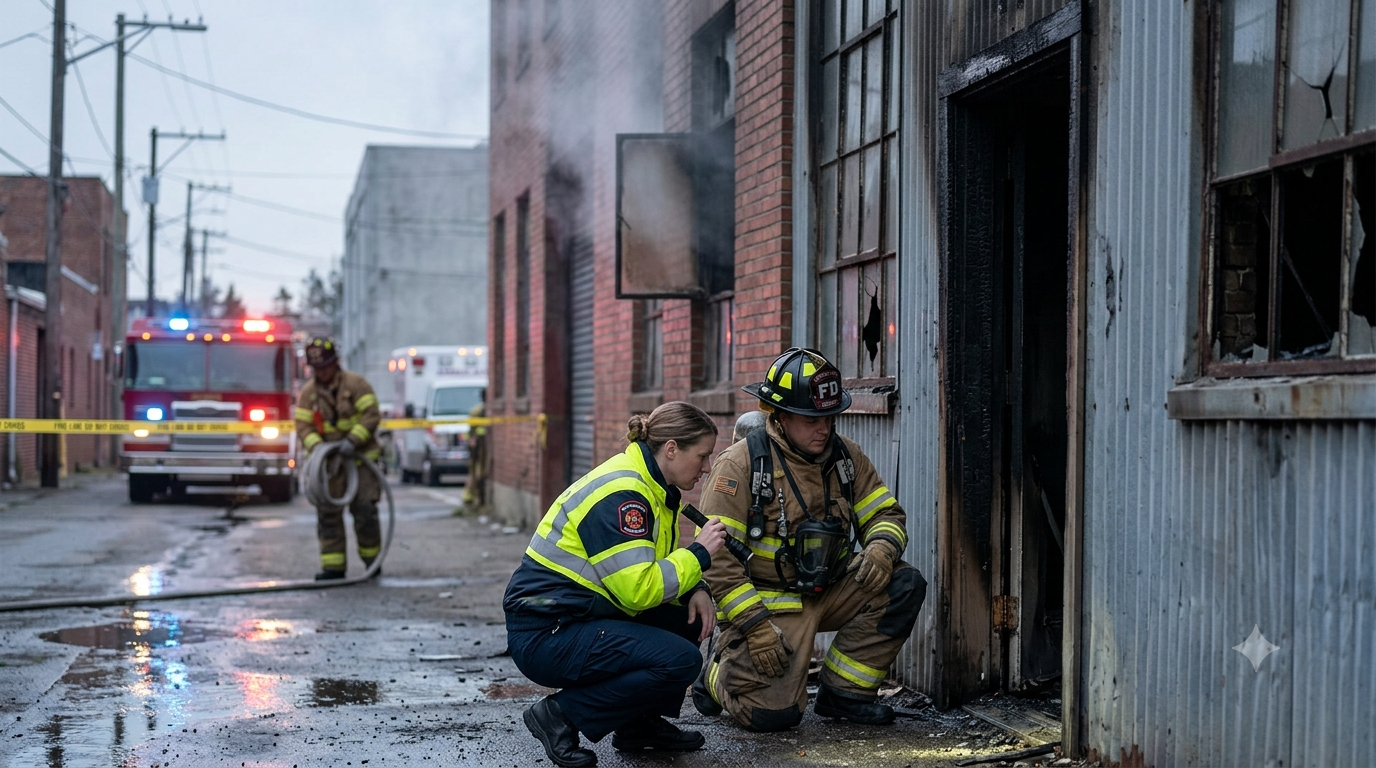
Arson is a serious crime that involves intentionally setting fire to property or land. Unlike accidental fires, this act involves deliberate action and can cause severe damage to buildings, communities, businesses, and natural environments.
Understanding arson is important because fire-related crimes can affect more than just physical property. They can create emotional stress, financial losses, and safety risks for individuals and entire communities.
This guide explains what arson means, why it happens, how it affects society, and what steps can help prevent fire-related crimes.
What Is Arson?
Arson is the intentional and unlawful act of starting a fire with the purpose of damaging property or causing harm. The target may include homes, vehicles, commercial buildings, public spaces, or natural areas.
The key difference between arson and an accidental fire is intent. A fire caused by an electrical fault, equipment failure, or mistake is generally not considered arson because there is no deliberate action behind it.
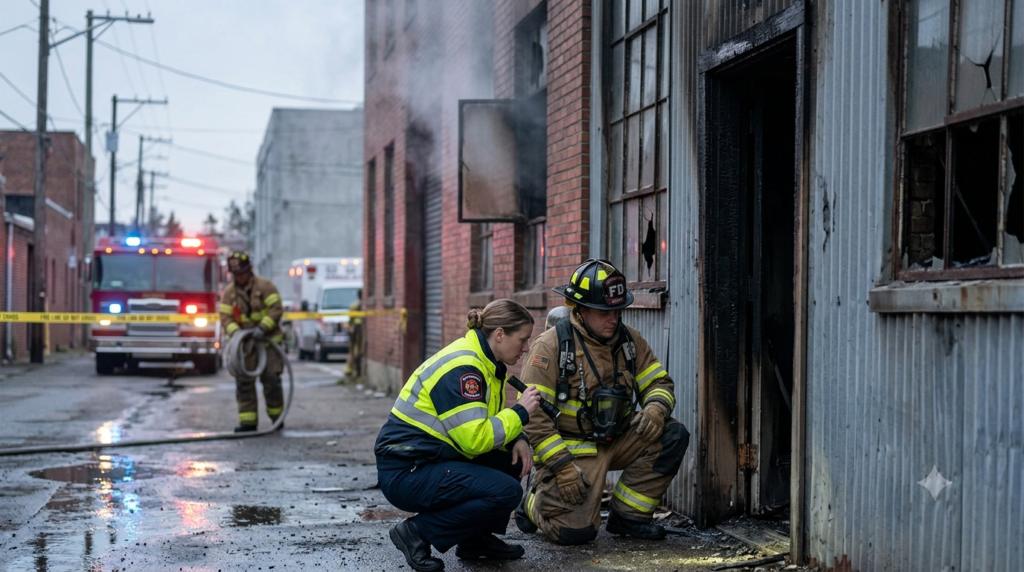
Authorities investigate suspected cases carefully because determining intent is an important part of identifying whether a fire was accidental or deliberately caused.
Why Arson Matters
The impact of arson extends far beyond the flames themselves. A single incident can affect property owners, residents, emergency workers, and surrounding communities.
Some major consequences include:
- Property destruction and financial losses
- Risk of injury or loss of life
- Emotional distress for victims
- Disruption of businesses and services
- Damage to natural environments
Fires can spread quickly, making deliberate fire-setting especially dangerous. Even a small fire can become a major emergency if it reaches nearby structures or hazardous materials.
Common Causes Behind Arson
There is no single reason why people commit arson. Different situations and personal circumstances can contribute to this type of criminal behaviour.
Some common motives include:
Financial Reasons
In some cases, individuals may attempt to create a fire to gain money through insurance fraud or to avoid financial responsibilities. These actions can result in serious legal consequences.
Revenge or Personal Conflicts
Some incidents happen because of anger, disputes, or attempts to harm another person’s property. Personal conflicts can sometimes lead to destructive decisions.
Vandalism or Criminal Intent
Some fires are started as acts of vandalism or during other criminal activities. These incidents can place many people at risk, even when the original target is property.
Mental Health and Behavioural Factors
Certain cases involve individuals with complex psychological or behavioural issues. Understanding these factors can help professionals develop better prevention strategies.
Different Types of Arson
Arson can involve different targets and circumstances. Some common categories include:
Residential Arson
This involves deliberately setting fire to homes or residential buildings. These cases can put residents and nearby neighbours in immediate danger.
Commercial Arson
Businesses, offices, warehouses, and other commercial properties may become targets. Such incidents can affect employees, customers, and local economies.
Vehicle Arson
This refers to intentionally setting fire to cars, trucks, or other vehicles. These fires may create additional risks because of fuel and mechanical components.
Wildland Arson
Fires deliberately started in forests, parks, or rural areas can damage ecosystems and threaten communities located nearby.
Legal Consequences of Arson
Because arson can cause significant harm, laws usually treat it as a serious criminal offence. The consequences depend on factors such as the amount of damage caused, whether people were endangered, and the laws of the location where the offence occurred.
Possible consequences may include:
- Criminal charges
- Fines
- Imprisonment
- Compensation requirements
- Long-term legal records
Investigations often involve fire experts, law enforcement agencies, and other specialists who examine evidence to determine the cause of a fire.
Preventing Arson and Reducing Fire Risks
Preventing arson requires awareness, community involvement, and responsible safety practices.
Helpful steps include:
- Reporting suspicious behaviour near properties
- Keeping outdoor areas free from unnecessary flammable materials
- Improving security around buildings
- Installing reliable fire detection systems
- Educating communities about fire safety
Businesses and homeowners can also reduce risks by reviewing security measures and preparing emergency plans.Common Misconceptions About Arson
Arson Is Always Easy to Identify
Many people believe that every deliberately started fire is immediately obvious. In reality, determining whether a fire was caused intentionally can require detailed investigation.
Fire investigators examine different types of evidence, including the location of the fire, damage patterns, available records, and information from witnesses. A conclusion is usually reached only after careful analysis.
Small Fires Are Not Serious
Another common misunderstanding is that small fires do not create major risks. Even a limited fire can quickly become dangerous if it spreads to nearby buildings, vehicles, forests, or areas containing flammable materials.
The seriousness of an incident depends on factors such as location, timing, and potential harm to people and property.
Arson Only Affects Property Owners
The effects of arson can reach far beyond the person who owns the damaged property.
Residents may lose homes, employees may lose workplaces, and communities may experience fear or disruption. Emergency workers responding to deliberate fires also face additional risks.
How Investigators Identify Arson
Determining whether a fire was deliberate involves a detailed process. Fire investigators look for information that helps explain how and where a fire started.
Some parts of an investigation may include:
- Examining fire patterns
- Reviewing physical evidence
- Speaking with witnesses
- Checking security footage
- Studying the timeline of events
Investigators must separate intentional actions from accidental causes, which requires professional training and careful evaluation.
The Role of Community Awareness
Communities play an important role in reducing fire-related crimes. Awareness and quick reporting can help prevent situations from becoming more serious.
People can support safety efforts by:
- Reporting unusual activity near buildings or public areas
- Following local fire safety guidance
- Teaching children about responsible fire behaviour
- Supporting neighbourhood safety programmes
A strong community response can help reduce risks and improve overall safety.
Expert Safety Tips for Fire Prevention
Preventing arson begins with reducing opportunities for deliberate fire-setting and improving general fire safety.
Useful precautions include:
Improve Property Security
Security cameras, proper lighting, and controlled access can discourage criminal activity and help authorities investigate incidents.
Store Flammable Materials Safely
Fuel, chemicals, and other combustible materials should be stored correctly and away from unnecessary risks.
Maintain Fire Protection Equipment
Smoke alarms, fire extinguishers, and emergency plans should be checked regularly to ensure they work when needed.
Stay Alert Around Vacant Properties
Empty buildings can become vulnerable targets. Regular inspections and proper security measures can reduce risks.
The Difference Between Arson and Accidental Fire
The main difference between arson and an accidental fire is intent.
An accidental fire may happen because of:
- Electrical problems
- Cooking mistakes
- Equipment failure
- Natural causes
Arson involves a deliberate decision to start a fire illegally. Establishing intent is one of the most important parts of any investigation.
Final Thoughts
Arson is a serious issue that affects individuals, businesses, and communities. Its consequences can include property damage, emotional suffering, financial challenges, and safety risks.
Understanding the causes, warning signs, and prevention methods can help people make safer decisions and support stronger communities.
While fire investigations can be complex, awareness and responsible action remain important tools in reducing the impact of deliberate fires.
Frequently Asked Questions
1. What does arson mean?
Arson means intentionally setting fire to property or land without legal permission. It is considered a serious criminal offence in many places.
2. What is the difference between arson and accidental fire?
The main difference is intent. Arson involves a deliberate act, while an accidental fire happens without a planned decision to cause damage.
3. Why do people commit arson?
Possible reasons include financial motives, revenge, vandalism, or other personal and behavioural factors. Each case can have different circumstances.
4. How do investigators determine if a fire was arson?
Investigators analyse evidence, fire patterns, witness information, and other details to determine whether a fire was intentionally caused.
5. Can arson affect communities?
Yes. Beyond property damage, it can create fear, financial problems, and disruption for residents, businesses, and emergency services.
6. How can people help prevent arson?
People can improve security, report suspicious activity, maintain fire safety equipment, and follow responsible safety practices.
7. Is arson considered a serious crime?
Yes. Because it can threaten lives and cause significant damage, it is generally treated as a serious criminal offence.