

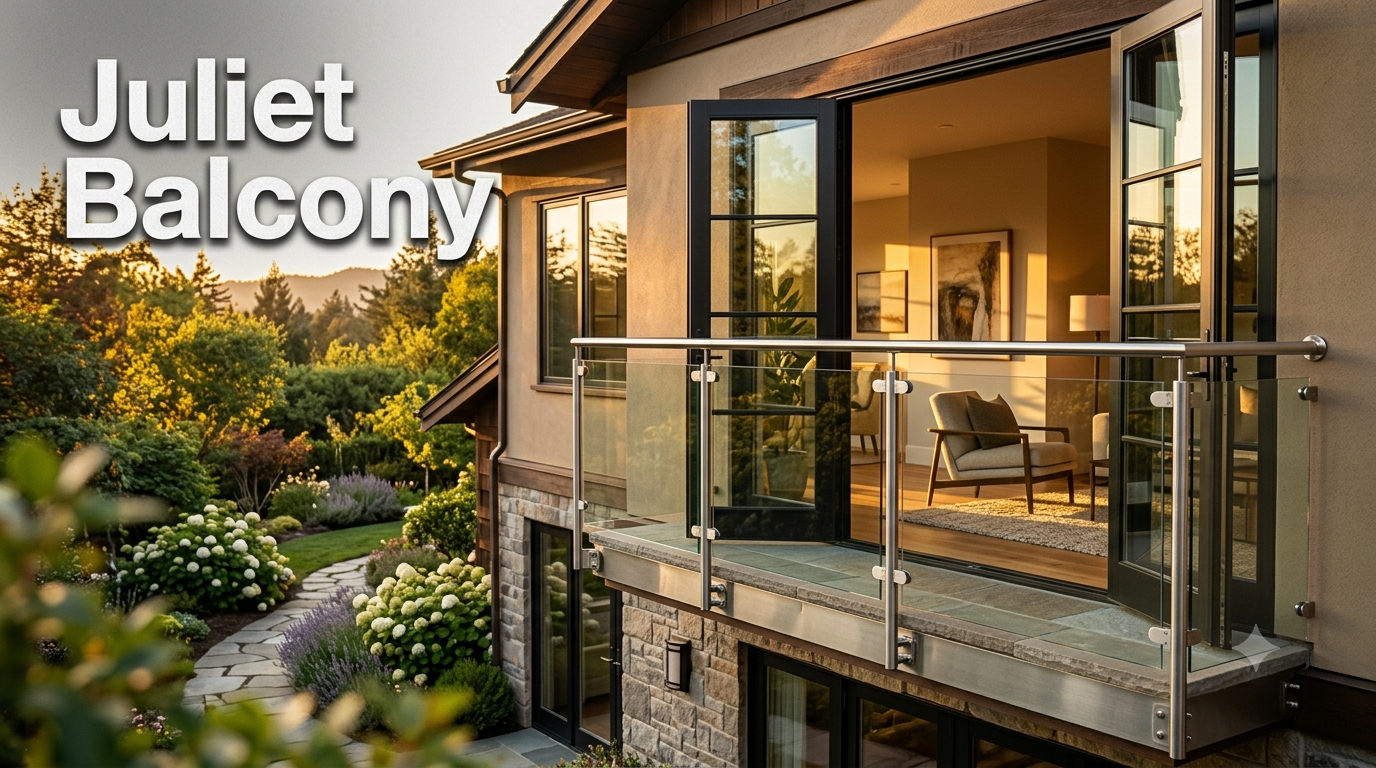
A Juliet balcony is one of the simplest ways to add elegance, natural light, and a feeling of openness to a home without extending the building’s footprint. Although it resembles a traditional balcony, it doesn’t provide outdoor standing space. Instead, it features a safety railing installed directly outside full-length doors or large windows.
Popular in both modern and traditional architecture, Juliet balconies improve a property’s appearance while allowing fresh air and sunlight to enter living spaces. Whether you’re renovating an existing home or planning a new build, understanding how a Juliet balcony works can help you decide if it’s the right architectural feature for your project.
What Is a Juliet Balcony?
A Juliet balcony is a protective railing fixed to the outside of floor-to-ceiling windows or French doors. Unlike a conventional balcony, it projects only a few inches from the exterior wall and is designed for safety rather than outdoor use.
The name comes from Shakespeare’s famous play Romeo and Juliet, where Juliet is often depicted speaking from a balcony. While the original literary reference is symbolic, today’s Juliet balconies are practical architectural features used in homes, apartments, hotels, and office buildings.
Why a Juliet Balcony Matters
Many homeowners choose Juliet balconies because they combine style with practicality.
They offer several advantages:
- Allow more natural light indoors.
- Improve ventilation.
- Enhance exterior appearance.
- Create a feeling of spaciousness.
- Increase property appeal.
For buildings where a full balcony isn’t possible due to space or planning restrictions, a Juliet balcony offers an attractive alternative.
Key Benefits of a Juliet Balcony
Increased Natural Light
Large glazed doors allow sunlight to reach deeper into rooms, making interiors feel brighter and more welcoming.
Better Ventilation
Opening full-height doors creates improved airflow throughout the home, especially during warmer months.
Modern Appearance
Glass or metal railings complement both contemporary and traditional homes while adding architectural interest.
Cost-Effective Alternative
Compared with constructing a full balcony, a Juliet balcony generally requires fewer materials and less structural work.
Improved Views
Homeowners can enjoy wider outdoor views while remaining safely inside.
Types of Juliet Balconies
Several designs are available depending on the property’s style.
Glass Juliet Balcony
A frameless or semi-frameless glass system provides unobstructed views and suits modern architecture.
Stainless Steel Balcony
Stainless steel offers excellent durability and requires relatively little maintenance.
Wrought Iron Design
Decorative wrought iron creates a classic appearance often found on period properties.
Aluminium Systems
Aluminium balconies are lightweight, corrosion-resistant, and available in various finishes.
Installation Process
Although installation methods vary, the basic process includes:
- Measuring the opening accurately.
- Selecting the railing material.
- Ensuring compliance with local building regulations.
- Installing secure wall fixings.
- Testing the completed installation for safety.
Professional installation is recommended to ensure the balcony meets structural and safety requirements.
Safety Considerations
Safety remains the most important aspect of any Juliet balcony.
Key factors include:
- Strong wall fixings.
- Certified safety glass where applicable.
- Correct railing height.
- Building code compliance.
- Regular inspections for wear or corrosion.
Choosing high-quality materials helps ensure long-term reliability.
Cost Factors
The overall cost depends on several variables:
- Material selection
- Balcony size
- Installation complexity
- Glass specifications
- Custom design features
- Labor costs
- Local building requirements
Obtaining multiple quotes from experienced installers can help homeowners compare options effectively.
Common Mistakes to Avoid
Choosing Style Over Safety
Appearance should never come before structural integrity and compliance with building regulations.
Ignoring Building Codes
Local regulations often specify minimum railing heights and installation standards.
Using Low-Quality Materials
Cheaper materials may require frequent maintenance or replacement.
DIY Installation Without Experience
Improper installation can create significant safety risks.
Expert Tips
If you’re considering a Juliet balcony, keep these recommendations in mind:
- Match the balcony design to your home’s architecture.
- Choose corrosion-resistant materials for long-term durability.
- Invest in professional installation.
- Consider low-maintenance finishes.
- Verify warranty coverage before purchasing.
- Clean glass panels regularly to maintain clear views.
Is a Juliet Balcony Right for Your Home?
A Juliet balcony works particularly well for:
- Apartments
- Townhouses
- Modern homes
- Loft conversions
- Upper-floor bedrooms
- Renovation projects
It may not replace the functionality of a traditional balcony, but it offers many visual and practical benefits where space is limited.
Final Thoughts
A Juliet balcony combines attractive design with practical functionality. It allows homeowners to enjoy larger windows, improved airflow, enhanced natural light, and a stylish exterior without the expense or structural requirements of a full balcony.
Whether you prefer sleek glass panels or decorative metal railings, choosing quality materials and professional installation will help ensure your Juliet balcony remains safe, durable, and visually appealing for years to come.
Frequently Asked Questions
1. What is a Juliet balcony?
A Juliet balcony is a safety railing installed outside full-height windows or doors without providing standing space.
2. Can you stand on a Juliet balcony?
No. Most Juliet balconies are decorative safety barriers and do not include a usable platform.
3. Are Juliet balconies safe?
Yes. When installed correctly using quality materials and in accordance with local building regulations, they provide reliable protection.
4. What materials are commonly used?
Glass, stainless steel, aluminium, and wrought iron are among the most popular materials.
5. Does a Juliet balcony add value to a home?
It can improve a property’s appearance and appeal, particularly by increasing natural light and enhancing exterior design.
6. Is planning permission required?
Requirements vary depending on local regulations and the nature of the project, so it’s important to check with the relevant authority.
7. How much maintenance does a Juliet balcony need?
Maintenance depends on the material, but regular cleaning and periodic inspections help keep it in good condition.